One of the most common questions we hear from shippers is deceptively simple: should this ship full truckload or LTL? The answer affects your cost, transit time, and how much your freight gets handled along the way. Get it right and you save money without adding risk. Get it wrong and you either overpay for empty trailer space or expose fragile freight to unnecessary handling.
What is Full Truckload (FTL)?
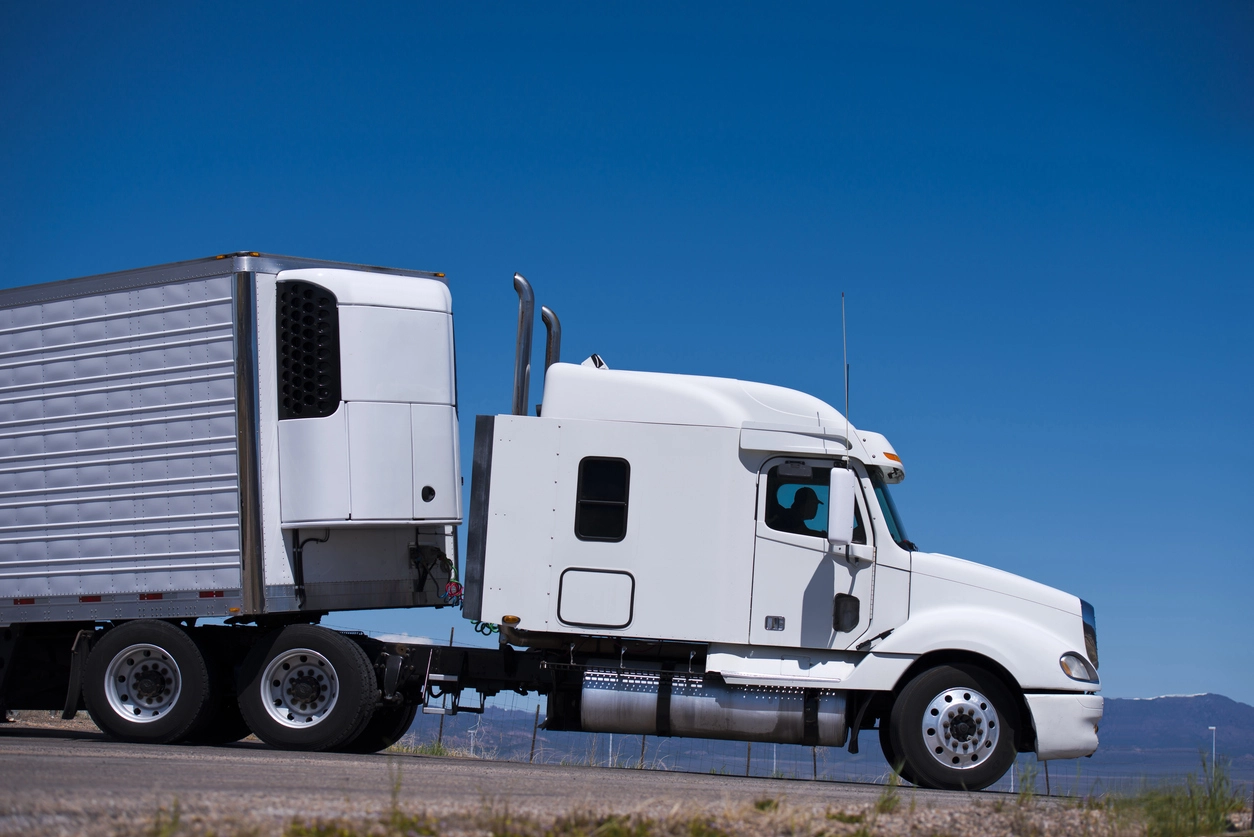
Full truckload means your shipment occupies an entire trailer. It travels alone, direct from pickup to delivery, with no terminal stops. Because there's no consolidation or transfer, FTL offers the fastest transit times and the least handling — which makes it the safest option for high-value, fragile, or time-sensitive freight.
What is Less-Than-Truckload (LTL)?
LTL lets you share trailer space with other shippers' freight and pay only for the portion you use. It's the cost-effective choice for smaller shipments — typically one to six pallets — that don't need a dedicated trailer. The trade-off is more handling at consolidation terminals and, usually, slightly longer transit times.
How to Decide
- Ship FTL when your freight fills most of a trailer, is fragile or high-value, needs to arrive fast, or you're moving 10+ pallets.
- Ship LTL when you have 1–6 pallets, cost matters more than speed, and your freight can tolerate normal terminal handling.
- Consider the break-even point. Once an LTL shipment grows past roughly 6–12 pallets, FTL often becomes cheaper and safer. A good logistics partner will run both scenarios for you.
The Freight Classification Factor
With LTL, your freight class (NMFC) directly drives your rate. Misclassifying freight leads to costly reweigh-and-reclass charges after the fact. This is where working with an experienced logistics partner pays for itself — we classify your freight correctly the first time and structure the shipment to minimize surprises.
The Bottom Line
There's no universally "right" mode — only the right mode for a given shipment. At US Veteran Logistics, we look at your lane, timing, and freight profile and recommend the option that protects both your budget and your product. When you're not sure, ask us to quote it both ways.
Not sure which mode fits your shipment? Request a free quote and we'll run the numbers both ways.
Request a Quote