Your container crossed an ocean just fine — and then sat at the port for four days collecting fees. If that story sounds familiar, you already know why drayage matters. Here's what it is, how it fits into import/export freight, and how to keep it from quietly draining your budget.
What Is Drayage?
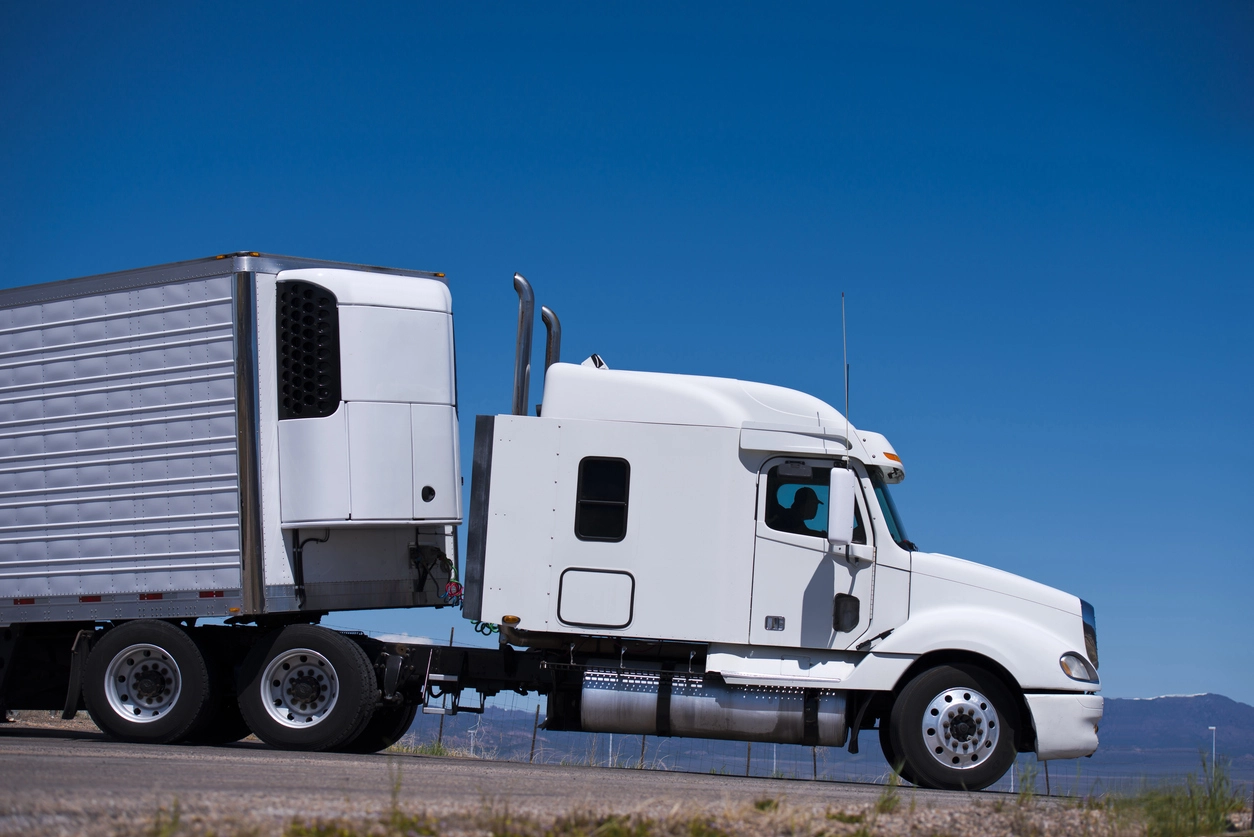
Drayage is the short-haul transportation of shipping containers — typically between a port or rail terminal and a nearby warehouse, distribution center, or transload facility. Individual drayage moves are short, but they connect the giant legs of international shipping (ocean and rail) to the domestic supply chain. When drayage stalls, everything behind it stalls too.
What Import/Export Transportation Covers
International freight still has to move on the ground. Import/export transportation is the domestic side of that journey:
- Imports: moving arriving containers from ports and rail ramps to warehouses, distribution centers, and final destinations
- Exports: moving outbound freight from your facility to the port or rail terminal in time for its sailing or departure
- Transloading: shifting freight between containers and domestic trailers when that saves money or time
At US Veteran Logistics, we focus strictly on the transportation: dependable drayage and domestic moves for import and export freight, coordinated with clear communication at every step. (Customs clearance itself is handled by your customs broker — we keep the freight moving once it's released.)
Where the Hidden Costs Live
- Demurrage — daily charges when a container sits at the port past its free time
- Per diem / detention — daily charges for keeping the container or chassis out too long
- Missed appointments — port and rail terminals run on strict scheduling; a missed slot can cascade into days of delay
- Chassis availability — no chassis, no move, no matter how ready your container is
These fees rarely show up in anyone's original budget — they're the tax on poor coordination.
What Good Drayage Coordination Looks Like
Appointments scheduled before free time burns down. Chassis sourced ahead of need. Container status tracked from vessel discharge to final delivery. One point of contact who tells you what's happening before you ask. That coordination is the difference between drayage as a routine step and drayage as a recurring emergency.
Keep Your International Freight Moving
We provide drayage and domestic transportation for import and export freight across the U.S., Canada, and Mexico — moving containers between ports, rail terminals, warehouses, distribution centers, and final destinations with dependable service and clear communication every step of the way.
Importing or exporting? Let's keep your containers moving — request a quote.
Request a Quote